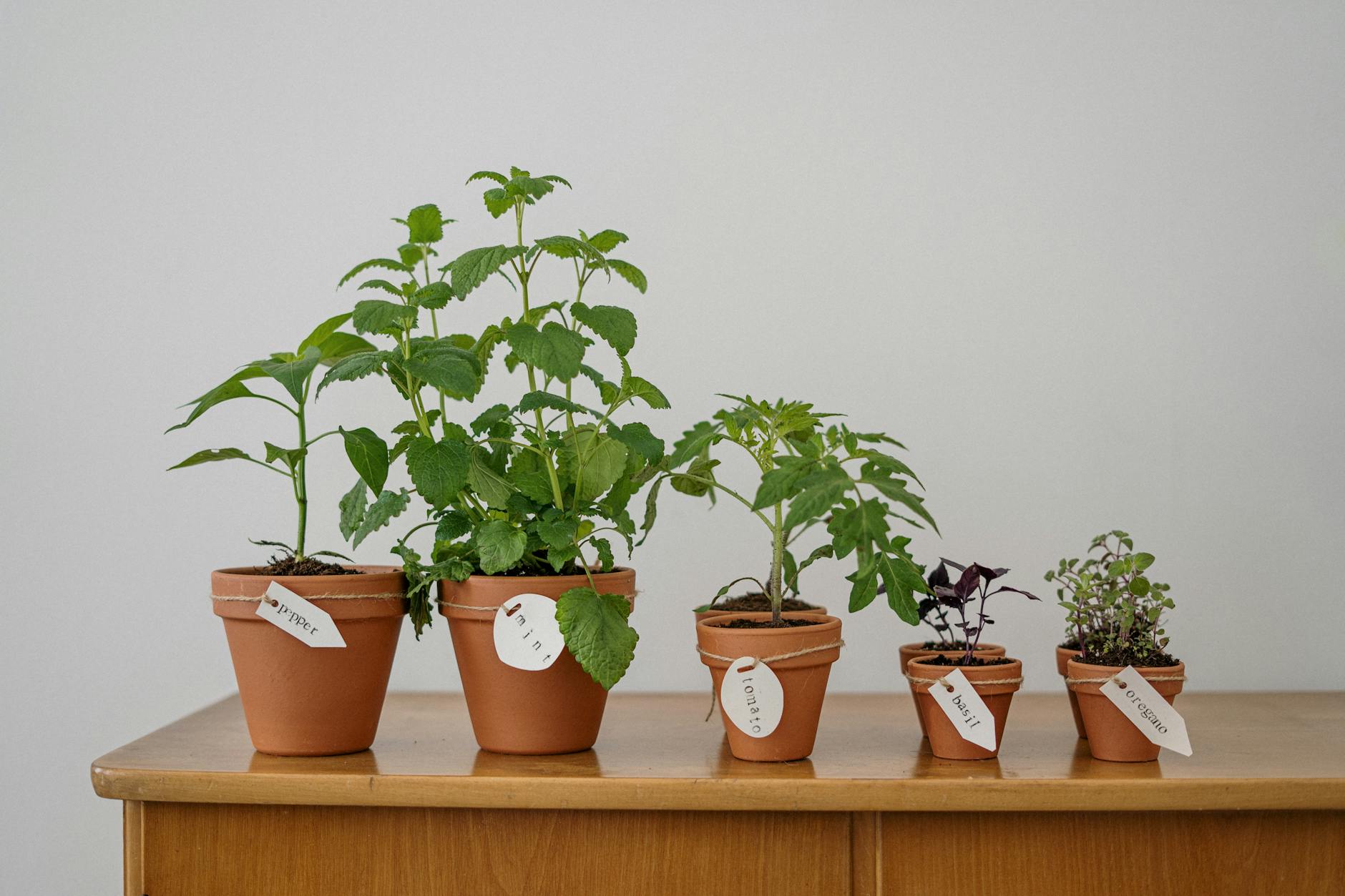
Urban Farming 101: Growing Food in Small Spaces
You do not need acres of land to grow meaningful amounts of food. Urban farmers worldwide are producing impressive harvests from balconies, rooftops, windowsills, and tiny backyard plots. If you have access to sunlight, water, and a few square feet of space, you can grow food.
This guide covers everything city dwellers need to know about productive small-space food gardening — from container selection to crop choices to community integration.
The Urban Farming Revolution
Urban farming is not a niche hobby — it is a global movement. Cities from Singapore to Detroit are reimagining food production within their boundaries. Rooftop farms, vertical gardens, community plots, and guerrilla gardening are transforming concrete landscapes into productive foodscapes.
The motivations are clear: fresher food, lower costs, reduced emissions from food transport, food security, mental health benefits from gardening, and community connection. You do not need to move to the country to grow food — you need to think creatively about the space you already have.
Assessing Your Space
Before buying a single seed, honestly evaluate what you are working with:
Balconies: Most productive urban gardens happen on balconies. Check weight limits with your landlord, assess sun exposure (south-facing is ideal in the northern hemisphere), and measure available floor space.
Windowsills: Perfect for herbs, microgreens, and compact crops like cherry tomatoes or lettuce. Even north-facing windows can grow shade-tolerant herbs.
Rooftops: High potential but check structural capacity, wind exposure, and water access. Container weight when wet is significant.
Tiny yards: Even 4x4 feet of ground space can produce surprisingly well with intensive planting methods like square foot gardening.
Best Crops for Small Spaces
Not all vegetables are created equal when space is limited. Focus on high-value, high-yield crops:
Top tier (best return per square foot):
- Herbs (basil, cilantro, mint, parsley) — expensive to buy, cheap to grow
- Lettuce and salad greens — cut-and-come-again for months of harvests
- Cherry tomatoes — single plant produces 100+ fruits
- Peppers — compact plants, high yield
- Beans (pole varieties) — grow vertically, produce abundantly
Good choices:
- Strawberries — trailing varieties work in hanging baskets
- Radishes — 30-day crop, fits anywhere
- Green onions — regrow from scraps endlessly
- Microgreens — ready in 7-14 days, nutritionally dense
Skip in small spaces:
- Corn (needs large patches for pollination)
- Pumpkins and melons (need massive spreading room)
- Potatoes (need depth and volume for decent yield)
Container Gardening Essentials
Containers are the urban farmer's primary tool. Key principles:
Size matters: Bigger containers hold more soil moisture and nutrients. Minimum 5-gallon containers for tomatoes and peppers, 2-gallon for herbs and greens.
Drainage is non-negotiable: Every container needs drainage holes. Root rot from waterlogging kills more container plants than any pest.
Soil quality: Use high-quality potting mix, not garden soil. Container soil needs excellent drainage while retaining moisture — garden soil compacts and suffocates roots.
Watering: Containers dry out faster than ground gardens. Self-watering containers or drip systems on timers prevent the daily watering burden.
Vertical Growing
When floor space is limited, grow up. Vertical systems dramatically increase growing capacity:
- Trellises for beans, peas, cucumbers, and small squash
- Hanging baskets for strawberries, herbs, and trailing tomatoes
- Wall-mounted pocket planters for herbs and lettuce
- Tower gardens and stacking planters for intensive production
A single 4-foot trellis against a wall can produce the equivalent of 8 square feet of ground-planted beans.
Connecting with Your Urban Food Community
Urban farming is more rewarding when connected to community. Even with limited production, you can participate in the local food network:
Share your surplus: Even a balcony garden produces more herbs than one person needs. List extras on LocalHarvest — fresh-cut basil is always in demand.
Trade for variety: You might only grow herbs and greens. Barter with neighbors who have yard space for tomatoes, and exchange your herbs for their fruit.
Join growing groups: Connect with other urban farmers in the community forums. Share container growing tips, seed sources, and success stories.
Learn from others: Follow experienced urban farmers' harvest stories for inspiration and practical advice tailored to small-space growing.
Maximizing Small-Space Production
Succession planting: As one crop finishes, immediately plant another. A single container can produce 3-4 crops per season with successive plantings.
Interplanting: Grow fast crops (radishes) between slow crops (tomatoes) while waiting for the slow ones to fill their space.
Season extension: Simple plastic covers or cold frames extend your growing season by 4-8 weeks on each end, dramatically increasing annual production.
Composting in small spaces: Worm bins fit under kitchen sinks and produce excellent fertilizer. Bokashi composting handles all food scraps without outdoor space.
The Economics
Urban container gardening has modest startup costs (containers, soil, seeds) but produces significant value over time. A typical balcony herb garden produces $200-400 worth of fresh herbs per season. Add tomatoes and greens, and annual production easily exceeds $500 in grocery-store equivalent value.
The non-monetary benefits — freshness, food security, mental health, community connection — are arguably worth more than the financial savings.
Getting Started This Week
- Assess your sunniest spot (minimum 6 hours for vegetables, 4 for herbs)
- Start with herbs — they are forgiving, productive, and expensive to buy
- Create your LocalHarvest profile to connect with nearby growers
- Browse the marketplace for local seed and seedling sources
- Check the Harvest Calendar for what to plant right now
- Join an urban farming forum group for local advice
Remember: every journey begins with a single plant. Even one pot of basil on a windowsill is urban farming. Scale up as you gain confidence and space.
Your city has more growing potential than you think. Start exploring it today.
