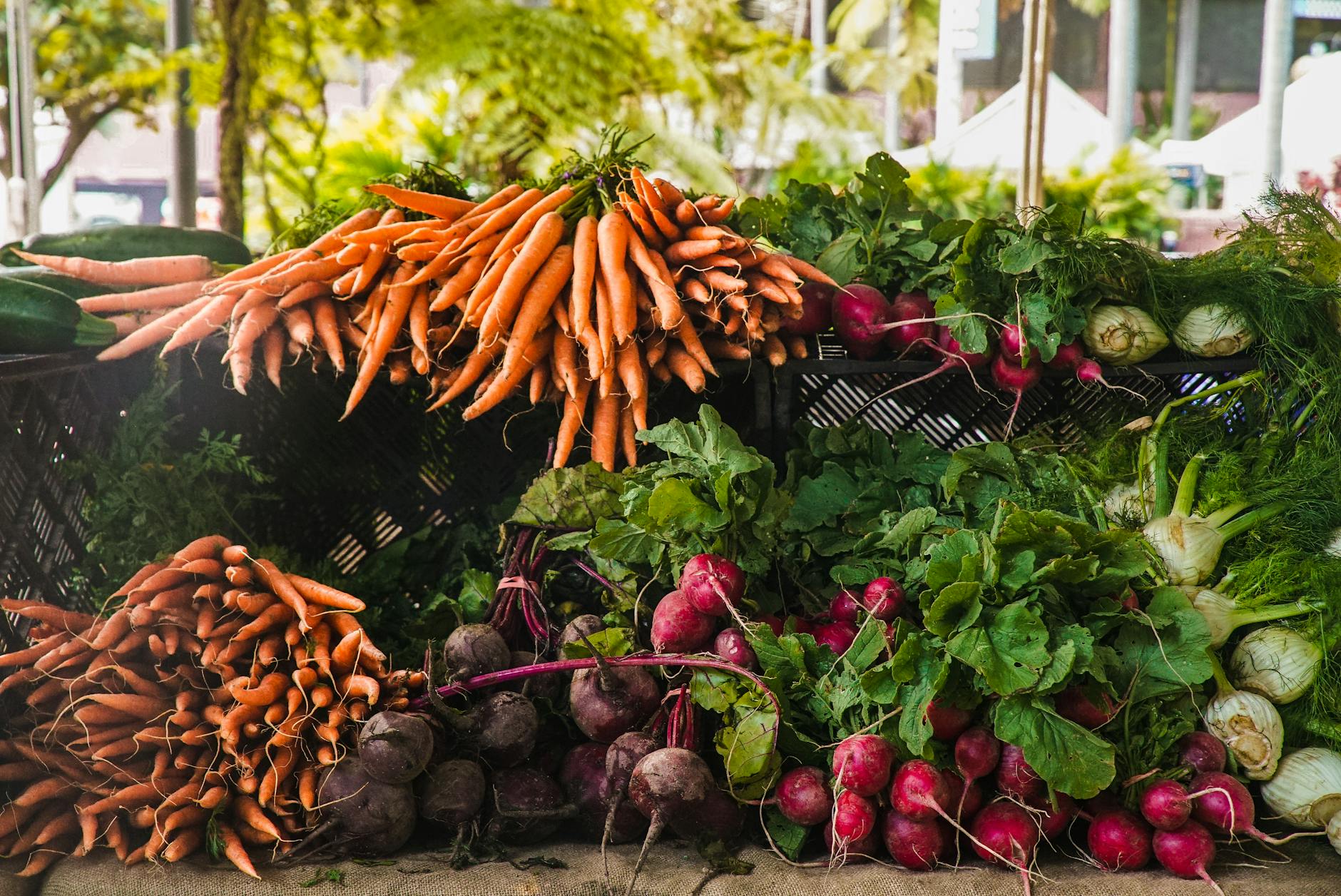
Seasonal Eating: What to Grow and Cook Each Month
Eating seasonally is one of the simplest ways to reduce your environmental footprint while enjoying the freshest, most flavorful food possible. When you eat what grows locally in the current season, you eliminate the emissions from cross-continent shipping, support local farmers, and taste produce at its nutritional peak.
This month-by-month guide helps you align your garden, kitchen, and plate with nature's rhythm. Use it alongside our Harvest Calendar for personalized recommendations based on your growing zone.
Why Seasonal Eating Matters
Produce shipped from distant farms travels an average of 1,500 miles before reaching your plate. That journey requires refrigeration, packaging, and fuel — all generating emissions while the food loses nutritional value and flavor with each passing day.
Locally grown seasonal produce, by contrast, travels from garden to table in hours. It is picked ripe (not green for shipping), contains maximum nutrients, tastes significantly better, and generates virtually zero transportation emissions.
Spring (March - May)
What to Plant
Spring is planting season for warm-weather crops: tomatoes, peppers, squash, beans, cucumbers, and melons. Start seedlings indoors 6-8 weeks before your last frost date, then transplant when soil warms.
What to Harvest
Cool-weather crops planted in late winter are ready: lettuce, spinach, peas, radishes, asparagus, and early spring onions. These tender greens are at their sweetest before summer heat arrives.
What to Cook
Spring calls for light, fresh preparations. Pea shoot salads, asparagus risotto, radish butter toasts, and spinach-egg dishes celebrate the season's first harvests. Browse spring recipes from our community for inspiration.
Summer (June - August)
What to Plant
Midsummer is time for fall crops: plant kale, broccoli, brussels sprouts, carrots, and beets for autumn harvest. Succession-plant quick crops like lettuce and radishes every 2 weeks.
What to Harvest
Summer brings abundance: tomatoes, corn, berries, peppers, zucchini, cucumbers, beans, eggplant, and stone fruits. This is peak surplus season — list extras on the marketplace or donate to food banks.
What to Cook
Grilling, fresh salads, gazpacho, ratatouille, berry desserts, and fresh salsa dominate summer kitchens. Preserve the abundance through canning, freezing, and dehydrating for winter eating.
Fall (September - November)
What to Plant
Plant garlic cloves for next summer's harvest. Sow cover crops to protect soil over winter. In mild climates, plant winter lettuce and spinach under row cover.
What to Harvest
Root vegetables, winter squash, pumpkins, apples, pears, late tomatoes, and Brussels sprouts reach maturity. This is preservation season — turn surplus into shelf-stable goods.
What to Cook
Hearty soups, roasted root vegetables, apple pies, squash curry, and slow-cooked stews warm autumn evenings. These dishes use storage crops that last for months.
Winter (December - February)
What to Plant
Plan next season using the Harvest Calendar. Order seeds, review what worked and what didn't. In mild climates, plant fava beans and early peas in late winter.
What to Harvest
Stored root vegetables, winter greens (kale, collards), citrus, and greenhouse herbs provide fresh eating. Sprouting and microgreen growing keeps fresh food on the table.
What to Cook
Root vegetable gratins, citrus salads, hearty grain bowls, bone broths, and fermented foods sustain through winter months.
Making Seasonal Eating Work
Find Local Seasonal Produce
Browse the LocalHarvest marketplace filtered by what is currently available. Use the geo-radius search to find growers near you offering in-season produce.
Trade for Variety
Not everyone grows the same crops. Use the barter system to exchange your surplus for seasonal items you did not plant. Swap circles are especially useful in peak harvest months.
Learn from the Community
Join seasonal gardening forums to discuss what is growing well in your area. Share your seasonal cooking successes as harvest stories to inspire others.
Preserve the Gluts
When a crop produces more than you can eat fresh, preservation extends the season. Our recipe section includes canning guides, fermentation tutorials, and freezing instructions for major garden crops.
Track Your Progress
Monitor your seasonal eating journey on your dashboard. How much local produce are you consuming versus store-bought? Every local purchase or trade is a vote for sustainable food systems.
The Economics of Seasonal Eating
Seasonal produce is typically 30-50 percent cheaper than out-of-season alternatives, even when buying from local farmers. When you grow your own or trade with neighbors, the cost drops to nearly zero.
A family that eats seasonally from local sources (including their own garden and community trades) can reduce their food-related carbon emissions by 25-30 percent annually. That is equivalent to driving 2,000 fewer miles per year.
Start Seasonal Today
You do not need to overhaul your entire diet overnight. Start with one seasonal commitment: this week, buy or trade for one item that is currently in season locally. Next week, add another. Within a month, you will naturally gravitate toward what is fresh and local.
Use our Harvest Calendar as your guide, browse what neighbors are growing on the marketplace, and join the growing movement of people who eat with the seasons.
Your palate, your wallet, and the planet will thank you.