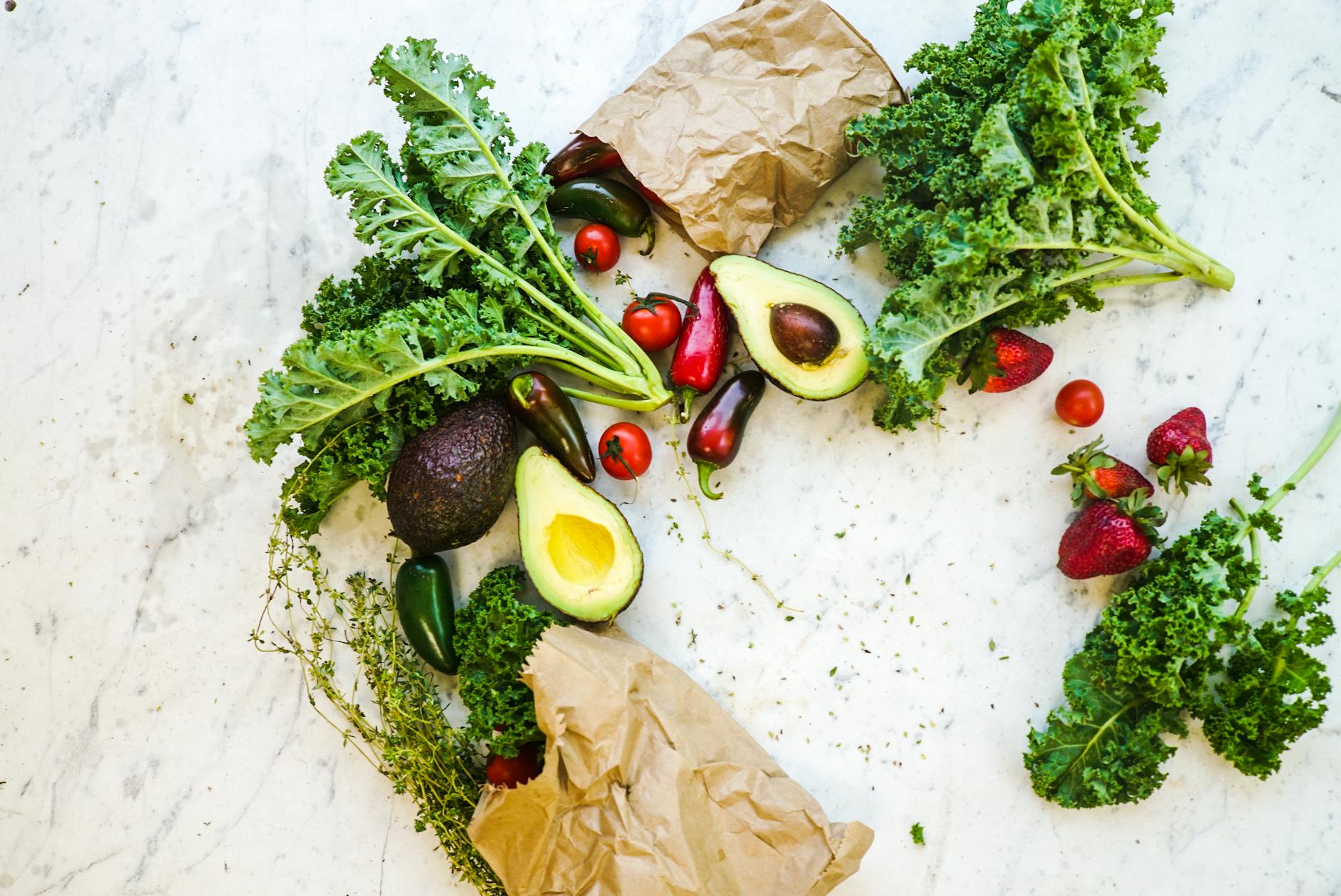
10 Easy Vegetables for First-Time Gardeners to Grow and Share
Starting a garden can feel overwhelming — seed catalogs list thousands of varieties, gardening advice often contradicts itself, and the fear of failure keeps many people from planting their first seed. But here is the truth: some vegetables are nearly impossible to kill, produce abundantly with minimal effort, and provide more than enough to share with neighbors.
This guide covers ten vegetables that any beginner can grow successfully, along with tips for sharing surplus through your local food community.
1. Zucchini (and Summer Squash)
Why it is easy: Zucchini is famously productive — a single plant can produce 6-10 pounds per week at peak season. Plant 2-3 plants and you will have surplus within weeks.
Growing basics: Direct sow after last frost in fertile soil with full sun. Water deeply once per week. That is it.
Sharing potential: Zucchini is the classic surplus crop. When your family cannot eat another zucchini bread, list the excess on LocalHarvest. Your neighbors will thank you — especially if you harvest them young (6-8 inches) when flavor is best.
2. Cherry Tomatoes
Why it is easy: Cherry tomatoes are more forgiving than large varieties — they resist cracking, tolerate irregular watering, and produce hundreds of fruits per plant over a long season.
Growing basics: Start seedlings indoors 6 weeks before last frost or buy transplants. Full sun, regular water, simple cage or stake for support.
Sharing potential: A single cherry tomato plant produces far more than one person can eat fresh. Barter surplus for herbs or greens — cherry tomatoes are always in demand on the marketplace.
3. Lettuce and Salad Greens
Why it is easy: Lettuce germinates quickly (5-7 days), matures fast (30-45 days), and can be harvested continuously using cut-and-come-again technique.
Growing basics: Direct sow in any container with 4+ hours of sun. Keep soil moist. Succession plant every 2 weeks for continuous harvest.
Sharing potential: Fresh-cut salad mix is worth $8-12 per pound at farmers markets. A small bed produces weekly surplus easily shared through LocalHarvest.
4. Herbs (Basil, Mint, Cilantro)
Why it is easy: Herbs are adapted to thrive with minimal care. Basil grows like a weed in warm weather, mint is literally invasive, and cilantro self-seeds for perpetual harvests.
Growing basics: Windowsill, balcony, or garden bed. Most herbs need only 4-6 hours of sun and occasional watering. Pinch regularly to encourage bushy growth.
Sharing potential: Fresh herbs are expensive at stores ($3-5 per tiny package). Growing your own produces enormous surplus. Perfect for bartering — herbs trade well for almost anything on the marketplace.
5. Green Beans
Why it is easy: Beans are legumes that fix their own nitrogen — they literally fertilize themselves. Pole varieties produce for months from a single planting.
Growing basics: Direct sow after frost danger passes. Provide a pole or trellis for pole varieties. Water regularly. Pick frequently to encourage more production.
Sharing potential: A 10-foot row of pole beans produces 1-2 pounds per picking, multiple times per week. More than enough to share through your community network.
6. Radishes
Why it is easy: Radishes mature in 25-30 days — faster than almost any other vegetable. They germinate reliably and tolerate cool weather.
Growing basics: Direct sow in any loose soil. Thin to 2 inches apart. Harvest when roots are marble-to-golf-ball sized. Succession plant monthly.
Sharing potential: Quick turnaround means continuous surplus. Include radishes in mixed bundles for trading or donation.
7. Kale
Why it is easy: Kale tolerates frost, heat, drought, poor soil, and neglect. It grows through three seasons in most climates and a single plant produces for 6+ months.
Growing basics: Transplant or direct sow in any garden spot with 4+ hours sun. Harvest outer leaves, leaving center to continue growing. Nearly indestructible.
Sharing potential: One kale plant produces far more than a single household consumes. Share bunches weekly through the marketplace or include in swap circles.
8. Cucumbers
Why it is easy: Cucumbers grow fast and produce heavily. Once fruiting starts, you will pick daily to keep up with production.
Growing basics: Direct sow after frost or transplant. Provide trellis for vining types. Water consistently — irregular watering causes bitterness.
Sharing potential: Like zucchini, cucumbers can overwhelm a single household. List surplus promptly while they are fresh and firm.
9. Peppers (Sweet and Hot)
Why it is easy: Pepper plants are compact, disease-resistant, and produce continuously from midsummer through frost. A single plant yields 5-15+ peppers.
Growing basics: Start indoors 8 weeks early or buy transplants. Full sun, regular water, minimal fertilizer needed.
Sharing potential: Hot peppers especially produce far more than most families use. They are popular barter items and make excellent recipe ingredients. Share through stories too — people love seeing colorful pepper harvests.
10. Green Onions
Why it is easy: You can literally regrow green onions from grocery store scraps. Place root ends in water, transplant to soil, and harvest continuously by cutting tops (roots regrow new shoots).
Growing basics: Plant in any container with soil. Cut green tops as needed — they regrow indefinitely. Almost zero maintenance.
Sharing potential: Perpetual production means perpetual surplus. Bundle with other produce for attractive marketplace listings.
Sharing Your First Harvest
Once your garden is producing, sharing becomes both practical and deeply satisfying. Here is how to get started:
- Create your LocalHarvest account with a grower profile
- List your first surplus — even a handful of herbs counts
- Enable barter on your listings to attract diverse trades
- Enable donation to support neighbors in need
- Join the beginner gardening forum for community support
- Share your journey through harvest stories
- Check the leaderboard as your green points grow
The Confidence Builder
Starting with easy crops builds the confidence to tackle more challenging vegetables later. By year two, you will be growing heirloom tomatoes, winter squash, and maybe even asparagus. But year one is about proving to yourself that you can grow food — and sharing it with people who appreciate your efforts.
Use the Harvest Calendar to plan what to plant each month, browse community recipes for inspiration on using your harvest, and remember: every expert gardener was once a beginner who planted their first seed.
Your neighbors are waiting for what you grow. Give them something to celebrate.