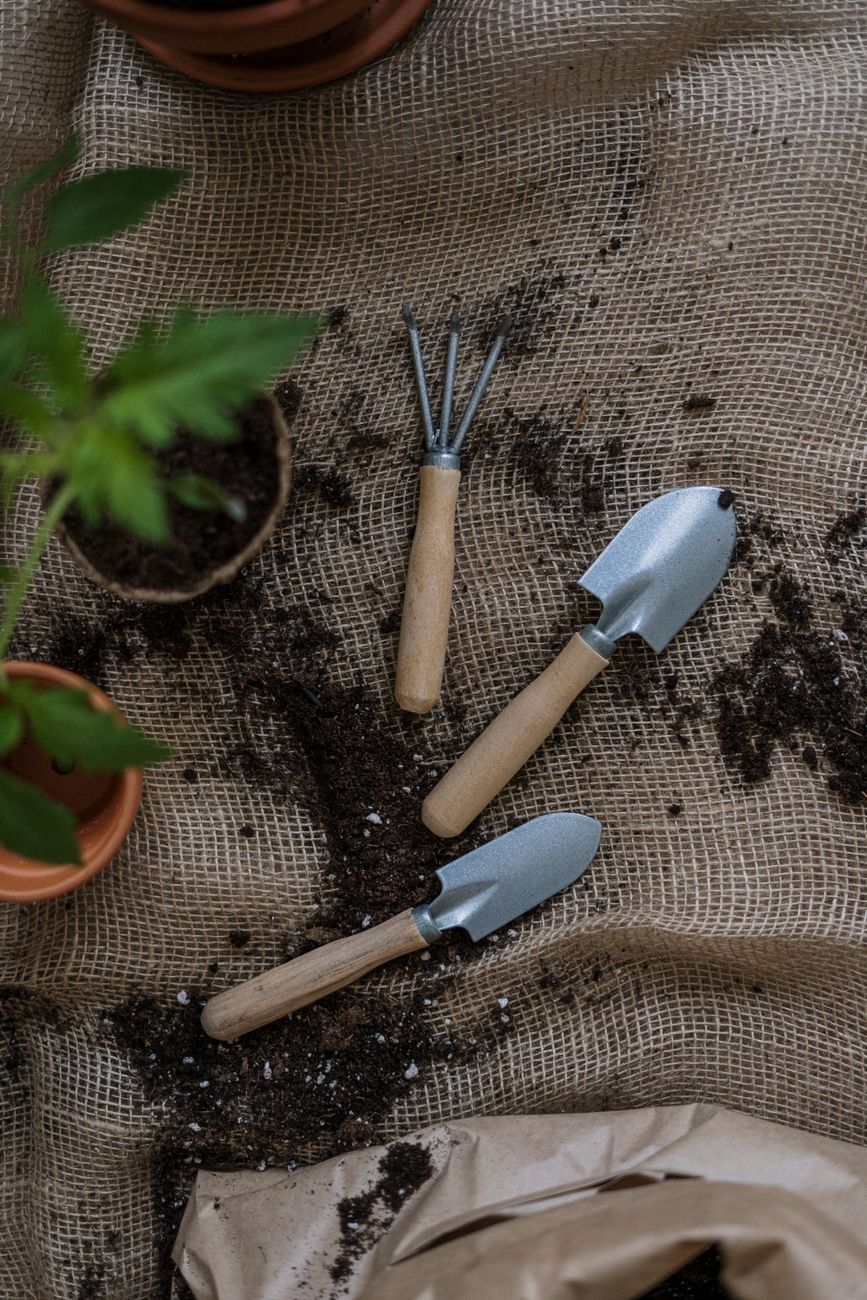
Composting for Beginners: Turn Kitchen Waste Into Garden Gold
Composting is alchemy for gardeners — transforming kitchen scraps and yard waste into rich, dark soil amendment that plants love. It reduces your household waste by up to 30 percent, eliminates the need for synthetic fertilizers, and creates a closed-loop system where nothing is truly wasted.
If you have never composted before, the process can seem intimidating. It is not. Nature has been composting for billions of years without human intervention. All you need to do is create conditions that speed up what happens naturally.
Why Compost?
The average household sends 200-300 kg of organic waste to landfill annually. In landfills, this material decomposes anaerobically (without oxygen), producing methane — a potent greenhouse gas. In a compost pile, the same material decomposes aerobically, producing CO2 (less harmful) and creating valuable soil.
For gardeners, compost is liquid gold. It improves soil structure, adds nutrients, increases water retention, feeds beneficial soil microorganisms, and reduces disease pressure. Gardens amended with compost consistently outperform those using synthetic fertilizers.
Composting Methods
Hot Composting (Fastest)
Active management of a compost pile or bin, maintaining optimal carbon/nitrogen ratio, moisture, and aeration. Produces finished compost in 4-8 weeks. Best for: dedicated gardeners with yard space.
Cold Composting (Easiest)
Simply pile organic matter and let it decompose over time. Requires no turning or management. Produces compost in 6-12 months. Best for: lazy gardeners with patience.
Worm Composting (Smallest Footprint)
Red wiggler worms consume kitchen scraps in a contained bin. Works indoors, under kitchen sinks, on balconies. Produces worm castings (extremely rich fertilizer) in 2-3 months. Best for: apartment dwellers and urban farmers.
Bokashi (Handles Everything)
Japanese fermentation method that processes all food waste including meat, dairy, and cooked food (which traditional composting cannot handle). Uses inoculated bran to ferment scraps in an airtight bucket. Best for: comprehensive kitchen waste reduction.
What to Compost
Green materials (nitrogen-rich):
- Fruit and vegetable scraps
- Coffee grounds and tea bags
- Fresh grass clippings
- Plant trimmings
- Eggshells
Brown materials (carbon-rich):
- Dry leaves
- Cardboard and newspaper (shredded)
- Straw and hay
- Wood chips and sawdust
- Dryer lint
Do NOT compost:
- Meat, fish, and dairy (traditional methods — Bokashi can handle these)
- Diseased plants
- Weeds with seeds
- Pet waste
- Treated wood
The Perfect Recipe
The ideal compost ratio is approximately 3 parts brown (carbon) to 1 part green (nitrogen) by volume. This provides the carbon-to-nitrogen ratio that microorganisms need to work efficiently.
Too much green = smelly, slimy pile (add more browns). Too much brown = slow decomposition (add more greens or water). The moisture level should feel like a wrung-out sponge — damp but not dripping.
Troubleshooting Common Problems
Pile smells bad: Too wet or too much nitrogen. Add dry brown materials (shredded cardboard works great) and turn the pile.
Nothing is happening: Too dry or too much carbon. Add water and green materials. Ensure pile is at least 3 feet cubed — smaller piles lack thermal mass.
Attracting pests: Bury food scraps under brown materials. Ensure meat and dairy are excluded. Use a contained bin with a lid rather than an open pile.
Pile is too hot: Actually not a problem — temperatures up to 160F (70C) kill pathogens and weed seeds. Only intervene if the pile exceeds this and begins to smell.
Compost in the Community
Composting is even more powerful as a community practice. Shared composting creates enough material to amend community garden beds, reduces individual effort, and creates social connections around sustainability.
List surplus compost on LocalHarvest — it is one of the most requested items for barter trades. Gardeners eagerly trade fresh produce for quality compost. Join the composting forum group to connect with other composters, share techniques, and troubleshoot problems collectively.
Several community members have shared their composting journeys through harvest stories — documenting their setups, sharing before/after photos of soil improvement, and teaching methods that work in their specific contexts.
Advanced Techniques
Once basic composting is mastered, explore:
- Compost tea: Steeping finished compost in water creates a liquid fertilizer perfect for foliar feeding
- Hugelkultur: Burying logs under raised beds creates long-term decomposing fertility
- Sheet mulching: Layering cardboard and organic matter directly on garden beds (composting in place)
- Biochar: Adding charcoal to compost creates ultra-long-lasting soil amendment
The Economic Value
Quality compost costs $5-15 per bag at garden centers. A household composting system produces the equivalent of $100-300 worth of compost annually from waste that would otherwise require garbage collection fees.
The garden productivity increase from compost application adds further value — healthier plants produce more food, reducing grocery bills. It is genuinely a situation where saving money and helping the environment align perfectly.
Getting Started This Weekend
- Choose your method (worm bin for apartments, traditional bin for yards)
- Start saving kitchen scraps in a countertop container
- Gather initial brown materials (shredded cardboard is always available)
- Set up your bin or pile in a convenient location
- Add materials following the 3:1 brown-to-green ratio
- Wait, turn occasionally, and marvel as waste becomes garden gold
Share your composting setup on LocalHarvest stories, trade your surplus compost for fresh produce, and join the sustainability forums to connect with fellow composters.
Conclusion
Composting closes the loop between kitchen and garden, between waste and resource, between consumption and production. It is one of the most impactful individual sustainability actions you can take — and one of the simplest once you understand the basics.
Start this weekend. Your garden (and your garbage bill) will thank you. And when you inevitably produce more compost than you need, share it with your community — there is always a gardener nearby who needs what you are making.